

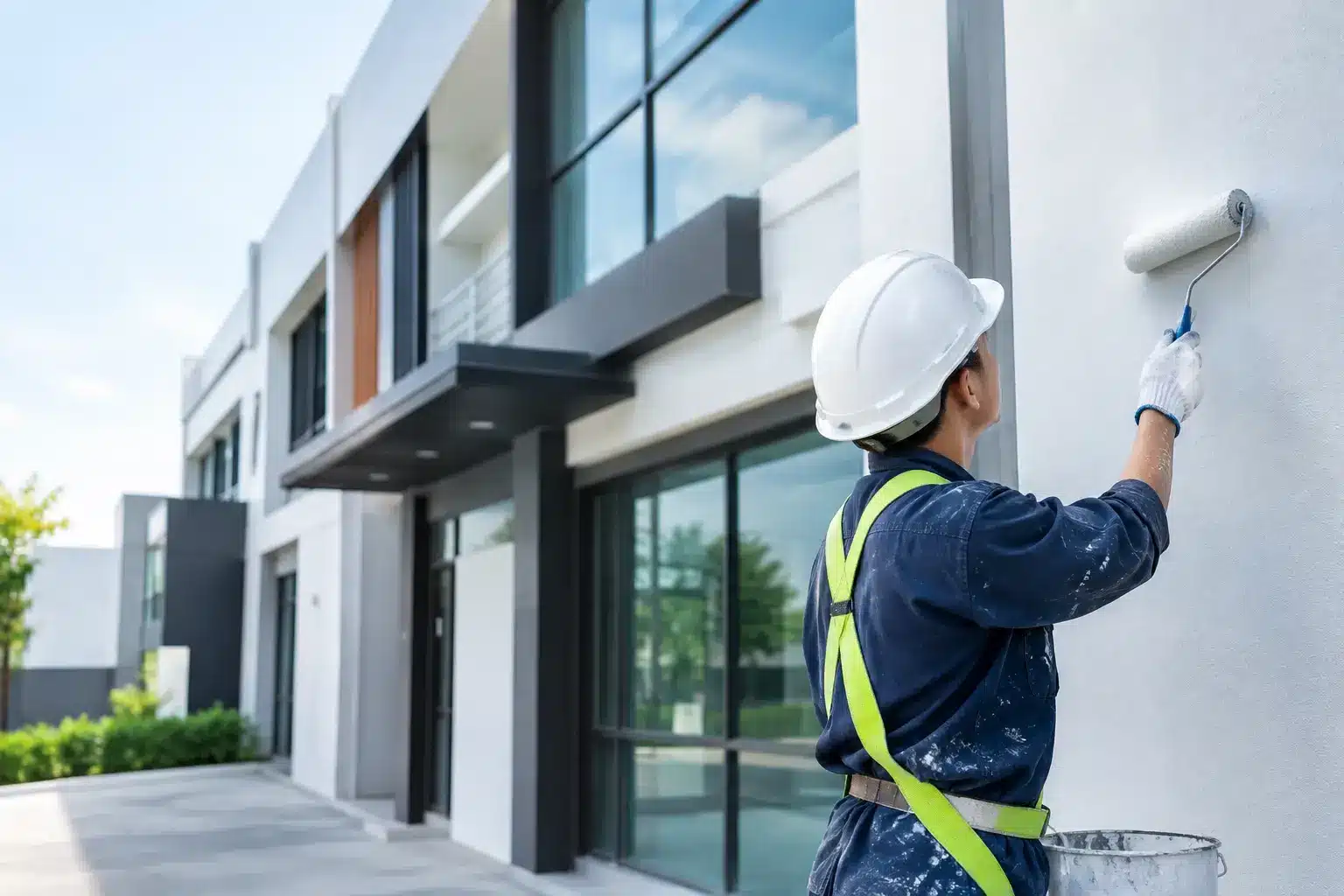

A tired exterior, peeling coating, or stained corridor affects more than a building’s appearance. It can signal deferred maintenance to tenants, visitors, clients, and inspectors. Commercial painting services Johor help property teams protect surfaces, restore a professional image, and manage work safely across offices, factories, retail sites, warehouses, and high-rise properties.
For commercial decision-makers, painting is not simply a matter of choosing a color and applying a fresh coat. The right scope depends on the substrate, existing coating condition, exposure to weather, building height, occupied areas, and the access method required. A capable contractor plans around those practical conditions before work begins.
What Commercial Painting Services Johor Should Cover
A commercial painting project should begin with a site assessment, not a standard price list. Buildings vary significantly. A ground-level retail lot has different risks and preparation needs than a multi-story office block, industrial facility, or high-rise façade.
The assessment should identify damaged areas, water stains, cracks, flaking paint, surface contamination, and signs that a coating problem may be caused by moisture rather than age. Painting over an unresolved leak, failed sealant joint, or mold-affected wall can produce a short-lived result. The visible finish may improve briefly, but the underlying issue will return.
A properly planned service may include interior wall and ceiling painting, exterior painting, façade coating, metalwork painting, roof or structure touch-ups, parking-area markings, and repainting of common areas. The exact scope should be based on the building’s operating needs and surface condition rather than a one-size-fits-all package.
Preparation Determines the Result
Surface preparation is where commercial painting quality is won or lost. Loose paint, dust, oil residue, algae, rust, and chalking must be addressed before a new coating is applied. Depending on the surface, preparation may involve washing, scraping, sanding, patching, rust treatment, crack repair, priming, or sealing.
Exterior work in Johor deserves particular attention because heat, rain, humidity, and airborne dirt can shorten the life of unsuitable coatings. Walls exposed to frequent rain may need waterproofing measures or a coating system designed to resist moisture. Metal elements may require anti-corrosion treatment. A paint specification that works in a dry internal office may not be suitable for an exposed loading bay or rooftop structure.
Safe Access Is Part of the Painting Scope
Hard-to-reach areas are often the reason a painting project becomes difficult. High façades, external walls above awnings, elevated steelwork, roof edges, and internal atriums cannot be handled safely with basic ladders alone.
The access method should match the site. Depending on building height, layout, ground conditions, and the area being painted, this may involve mobile elevated work platforms, scaffolding, rope access, or other specialized access equipment. Each option has trade-offs. Scaffolding can provide a stable working platform for extensive surface repairs, but it may require more space and take longer to install. Rope access can be efficient where ground access is limited, though it is best suited to trained teams and carefully planned work areas.
For occupied commercial properties, access planning also protects daily operations. The contractor should identify exclusion zones, control pedestrian movement, protect vehicles and landscaping, and schedule noisy preparation work around business hours where possible. Safety is not an add-on to the project. It is part of the method statement, manpower plan, and final quotation.
Choosing the Right Coating for Each Area
The lowest paint price is rarely the lowest maintenance cost. Commercial properties need coatings that suit their use, cleaning requirements, exposure, and expected service life.
Interior office areas may benefit from washable, low-odor coatings that allow work to continue with minimal disturbance. Corridors, lobbies, and shared facilities often need finishes that can withstand frequent cleaning and contact. Warehouses and industrial sites may require coatings selected for dust, moisture, chemicals, heat, or heavy traffic.
For external walls, the priority is usually weather resistance, adhesion, and color retention. If the façade has hairline cracks or recurring dampness, a standard decorative coating may not be enough. The contractor may recommend a different coating system, additional repair work, or investigation of water entry points before painting proceeds.
Color selection should also be practical. Bright white can create a clean corporate look, but may show dirt faster on exposed façades. Dark shades can absorb more heat and may highlight patch repairs if surface preparation is inconsistent. A site-specific recommendation considers the building design, maintenance schedule, tenant expectations, and the surrounding environment.
How to Reduce Disruption During Repainting
Commercial painting does not need to bring a workplace to a halt, but it does require coordination. The most effective projects are planned in phases, particularly for active offices, retail spaces, and industrial operations.
Work can be scheduled after hours, on weekends, or section by section to keep key access routes open. For indoor areas, furniture, equipment, flooring, glass, and fixtures should be protected before preparation starts. Clear notice to tenants or staff is equally useful when work affects entrances, parking spaces, noise levels, or ventilation.
Drying and curing times matter as well. A wall may feel dry quickly, but the coating may still need time to cure before it is washed, touched frequently, or exposed to demanding conditions. Rushing occupied-area handover can lead to marks, scuffs, or avoidable rework. A reliable contractor will explain the practical timeline, including preparation, coating application, drying periods, and final inspection.
What Affects Commercial Painting Costs?
A credible quotation reflects the actual demands of the property. Square footage matters, but it is only one factor. Building height, wall condition, coating type, access requirements, repair work, site restrictions, and the number of coats all influence the final cost.
For example, repainting a clean, accessible internal office wall may be straightforward. Recoating a weathered external façade with cracks, algae growth, and restricted ground access is a different project altogether. The labor, safety controls, equipment, and preparation time will be greater.
Be cautious of quotations that provide a single figure without confirming surface condition or access. An initial site visit helps prevent gaps in scope and gives the property team a clearer basis for comparing proposals. It also creates an opportunity to discuss work sequencing, safety requirements, and any related maintenance issues that could affect the paint finish.
Questions to Ask Before Appointing a Contractor
Before approving a commercial painting contractor, ask how they will prepare the surface, what coating system they recommend, and why it fits the site. Confirm how high or difficult areas will be accessed, how workers and the public will be protected, and what steps will be taken to prevent paint damage to windows, floors, vehicles, and equipment.
It is also sensible to ask whether the contractor can coordinate related exterior maintenance. Cleaning a façade before repainting, clearing roof gutters, treating surface contamination, or addressing access challenges through one experienced provider can simplify project management. Urban Solutions Service Sdn. Bhd. supports commercial properties with painting and specialist access work planned around the conditions of each site.
A clear scope should state the areas included, surface repair allowances, paint system, number of coats, access method, estimated schedule, and handover expectations. This reduces disputes later and helps facility teams monitor progress with confidence.
A Better Finish Starts Before the First Coat
Commercial painting is a visible investment, but its value comes from the work behind the finish. Sound preparation, suitable coatings, safe high-access execution, and realistic scheduling protect both the building and the people using it. Arrange a site assessment before committing to a scope, so the finished result is built to last rather than simply designed to look fresh for a few months.