

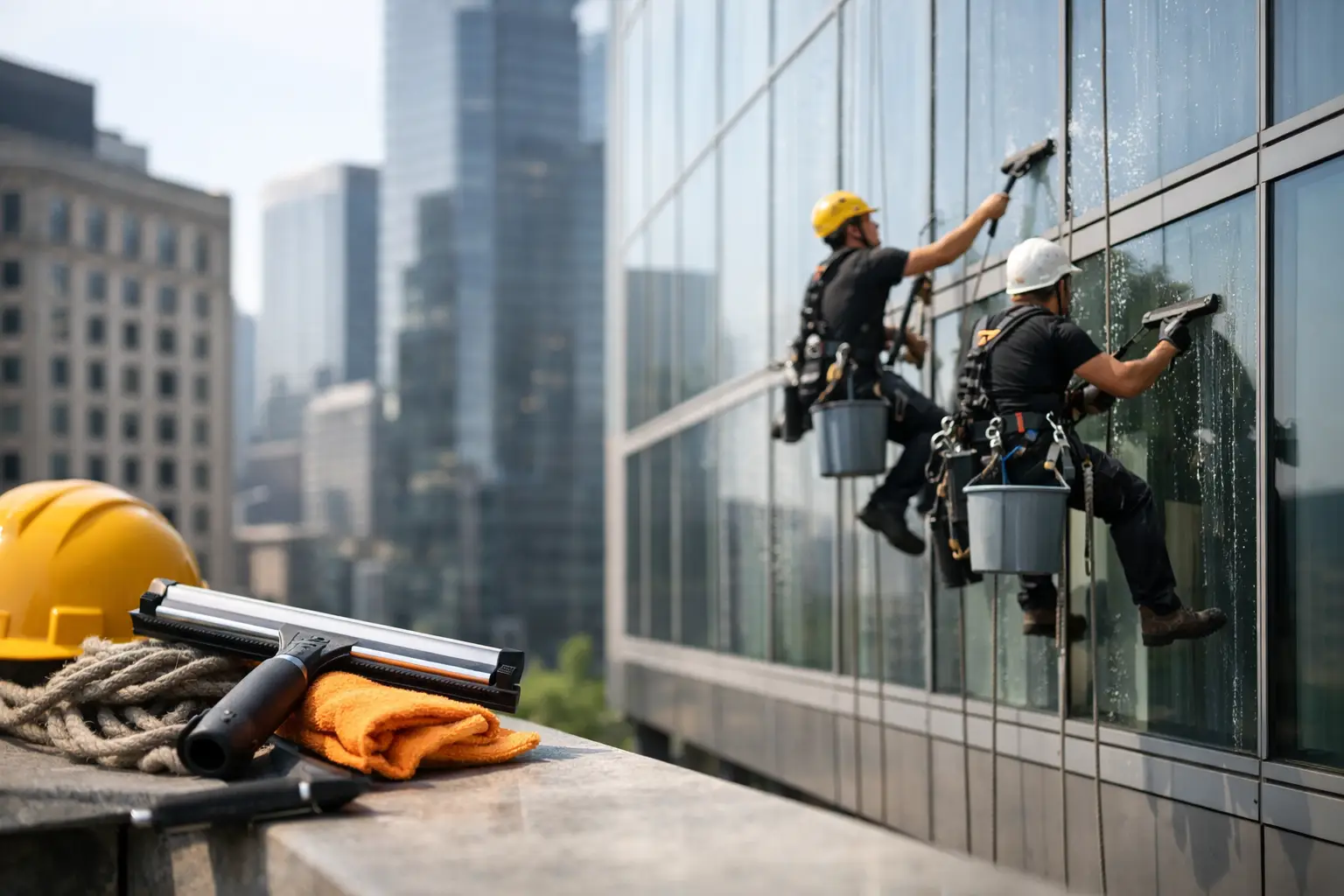

A clean exterior protects more than a building’s appearance. It supports tenant confidence, presents a professional image to visitors, and helps facility teams identify staining, leaks, damaged sealants, or other maintenance concerns early. What affects facade cleaning cost is therefore not simply the visible area of a building. The real price depends on how technicians can reach the facade, what they are cleaning, and what is required to complete the work safely without disrupting operations.
For commercial and industrial properties, a proper quotation should reflect the actual conditions on site. A low figure based only on a rough building size may leave out access equipment, safety controls, difficult areas, or cleaning methods needed to achieve a consistent result.
What Affects Facade Cleaning Cost?
Facade cleaning costs are usually built around labor, access, equipment, materials, safety planning, and the condition of the surface. Two buildings with the same square footage can require very different budgets. A low-rise office with open ground access is not comparable to a tower with recessed windows, limited loading space, and active pedestrian traffic below.
The purpose of a site-specific quote is not to make the process complicated. It is to make sure the scope is realistic. When the contractor understands the building layout and operating constraints before work begins, the cleaning team can plan the right access method, crew size, schedule, and protection measures.
Building Height and Access Requirements
Height is one of the most significant cost factors because it determines how technicians reach the work area. Ground-level facade panels and low-rise windows may be cleaned using water-fed poles, ladders where appropriate, or mobile elevated work platforms. Higher elevations may require rope access, a building maintenance unit, suspended platforms, or boom lifts.
Each option has different setup requirements, equipment costs, and safety procedures. Rope access can be an efficient solution for tall buildings with limited ground space, but it requires trained technicians, certified equipment, secure anchor points, and detailed rescue planning. A boom lift may be suitable for a lower facade, yet its use depends on safe vehicle access, stable ground conditions, overhead clearance, and enough space to position the machine.
Access Obstacles Add Time
Architectural features often make access more demanding than the building height alone suggests. Canopies, podium roofs, ledges, deep recesses, signboards, sunshades, and narrow gaps can slow down the work. Technicians may need to reposition equipment more frequently or use a combination of access methods to cover all areas properly.
Ground conditions matter as well. Busy entrances, public walkways, parking areas, landscaped zones, and delivery routes may require work zones, barricades, traffic management, or after-hours scheduling. These controls are necessary to protect occupants, visitors, vehicles, and the cleaning crew.
Facade Material and Surface Condition
Not every facade should be cleaned with the same pressure, detergent, or tool. Glass, aluminum composite panels, painted surfaces, natural stone, metal cladding, concrete, tiles, and render all respond differently to water, chemicals, abrasion, and pressure washing.
Routine dust and rain marks can often be removed with a standard wash. However, mineral deposits, algae, bird droppings, construction residue, oxidation, oil stains, or embedded grime may require more time and specialized treatment. If incorrect products or excessive pressure are used, the result can be surface etching, discoloration, damaged coatings, or water intrusion around joints.
A professional assessment considers the material, the type of contamination, and the existing condition of the facade. In some cases, a test clean on a small section is the sensible approach before committing to the full cleaning method. This can affect the final cost, but it reduces the risk of costly damage to premium exterior finishes.
Total Area and Scope of Work
Surface area influences labor hours, water use, cleaning materials, and equipment duration. Still, the quoted area should be defined clearly. A building may have a large amount of glass but only a limited number of accessible elevations. Another property may include cladding, exterior louvers, awnings, window frames, soffits, signage surrounds, and high-level ledges that all need attention.
The scope can also vary by outcome. A maintenance wash intended to remove regular dust is different from a restoration-focused clean for a facade that has been neglected for several years. Interior and exterior window cleaning, frame detailing, stain treatment, and gutter clearing are separate tasks, even when they are scheduled during the same project.
Combining related high-access work can sometimes improve efficiency. For example, if a rope access team is already mobilized for exterior window cleaning, it may be practical to inspect selected facade joints or clean hard-to-reach ledges within the same access plan. Whether this lowers the overall cost depends on the additional labor and materials required, but it can reduce repeat mobilization later.
Safety, Compliance, and Site Controls
High-rise facade cleaning is a high-risk activity. The cost of a professional service must include the planning and controls required to perform it responsibly. This may involve risk assessments, method statements, equipment inspections, trained personnel, fall-protection systems, rescue arrangements, exclusion zones, and coordination with building management.
Properties with public-facing entrances or continuous operations may require extra safeguards. A team working above a busy lobby, retail frontage, loading bay, or occupied parking area must manage the risk of falling objects and prevent unauthorized entry into the work zone. These details take time to plan and supervise, but they protect the property owner and everyone using the site.
Building-specific requirements can also affect the quotation. Some sites have restricted working hours, security procedures, contractor registration requirements, or designated lift and loading arrangements. Clear coordination before mobilization helps avoid delays that can increase project time and cost.
Timing, Frequency, and Weather Conditions
The timing of facade cleaning can influence cost and operational efficiency. Work scheduled outside peak hours may require night shifts or weekend labor, particularly for buildings where access equipment would affect vehicle flow or customer entry. This can be worthwhile when daytime disruption is not acceptable, but it should be planned into the budget.
Cleaning frequency matters too. Regular maintenance cleaning is usually more predictable because dirt and staining have less time to build up. A facade that is cleaned on a planned cycle may need less intensive treatment than one left untreated until discoloration becomes highly visible.
Weather is another practical consideration. Rain, strong winds, lightning risk, and poor visibility can stop high-rise work for safety reasons. A reliable contractor will allow for sensible weather contingencies rather than rushing work under unsuitable conditions. The project schedule may need flexibility, especially during periods of frequent rainfall.
How a Site Visit Produces an Accurate Quote
A site visit allows the contractor to verify conditions that cannot be judged accurately from photographs or building plans alone. The assessment should consider facade height, access points, ground conditions, anchor systems, surface types, contamination levels, water availability, equipment placement, and operational restrictions.
It is also the right time to clarify the expected result. Facility teams should identify whether they need a general exterior wash, detailed glass cleaning, stain removal, post-construction cleaning, or a recurring maintenance program. Clear expectations help prevent scope gaps and make it easier to compare quotations fairly.
Urban Solutions Services Sdn Bhd approaches facade cleaning as a high-access maintenance task, not a standard janitorial job. Skilled technicians, appropriate equipment, and a site-specific work plan are essential when the building exterior is difficult to reach or the work must be completed around active commercial operations.
Choose Value, Not Just the Lowest Figure
When reviewing facade cleaning proposals, look beyond the total price. Confirm the access method, the surfaces included, the cleaning approach, the safety controls, the working hours, and any exclusions. A quote that appears lower may exclude the equipment, detailed cleaning, or site management needed to finish the job to the required standard.
Where the work involves roof or elevated access, property teams should also review DOSH guidance on working at height when planning access, supervision and fall-prevention controls.
For a site-specific scope, review our façade cleaning services and arrange an assessment before confirming access, timing and cost.
The best value is a plan that protects the facade, keeps the site safe, and delivers a visibly cleaner building with minimal disruption. Arrange a site assessment early, especially before stains become permanent or access restrictions become more difficult to manage.