

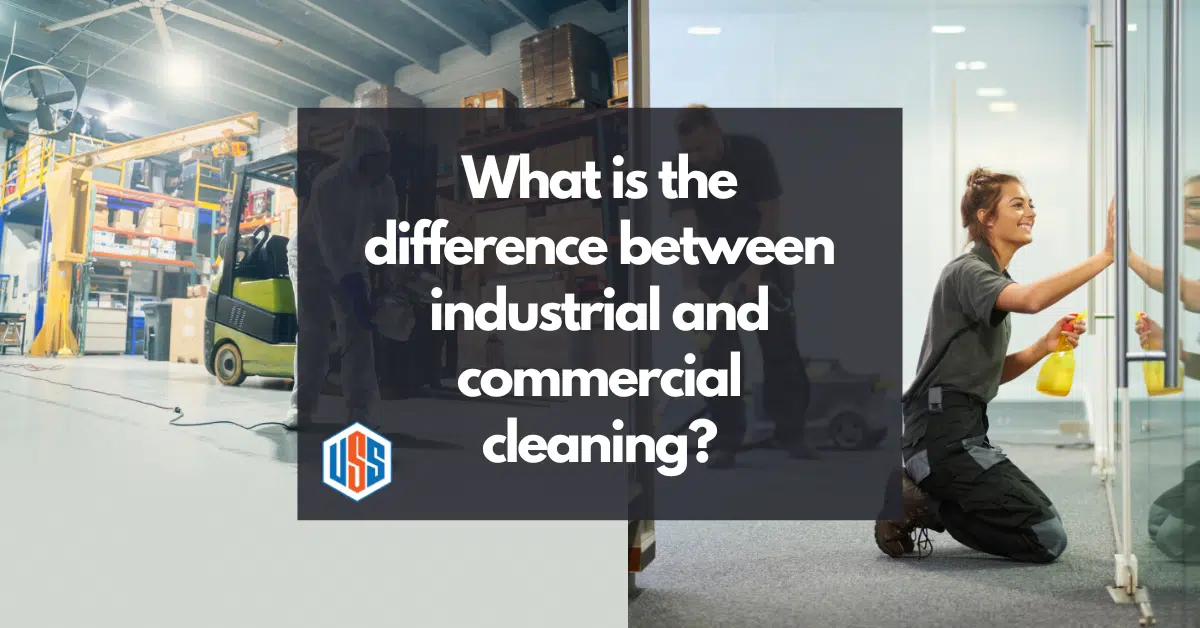

Cleanliness is a universal requirement, whether in our homes, offices, or industrial facilities. However, the cleaning needs and challenges can vary significantly depending on the type of environment. Two terms often encountered in the cleaning industry are "industrial cleaning" and "commercial cleaning." While both share the common goal of maintaining cleanliness, they are distinct in terms of scope, purpose, and methodology.
In this comprehensive guide, we will delve into the world of industrial and commercial cleaning, exploring their unique characteristics, methods, and advantages. By the end of this article, you'll have a clear understanding of the differences between these two cleaning domains and the importance of choosing the right cleaning service for your specific needs.
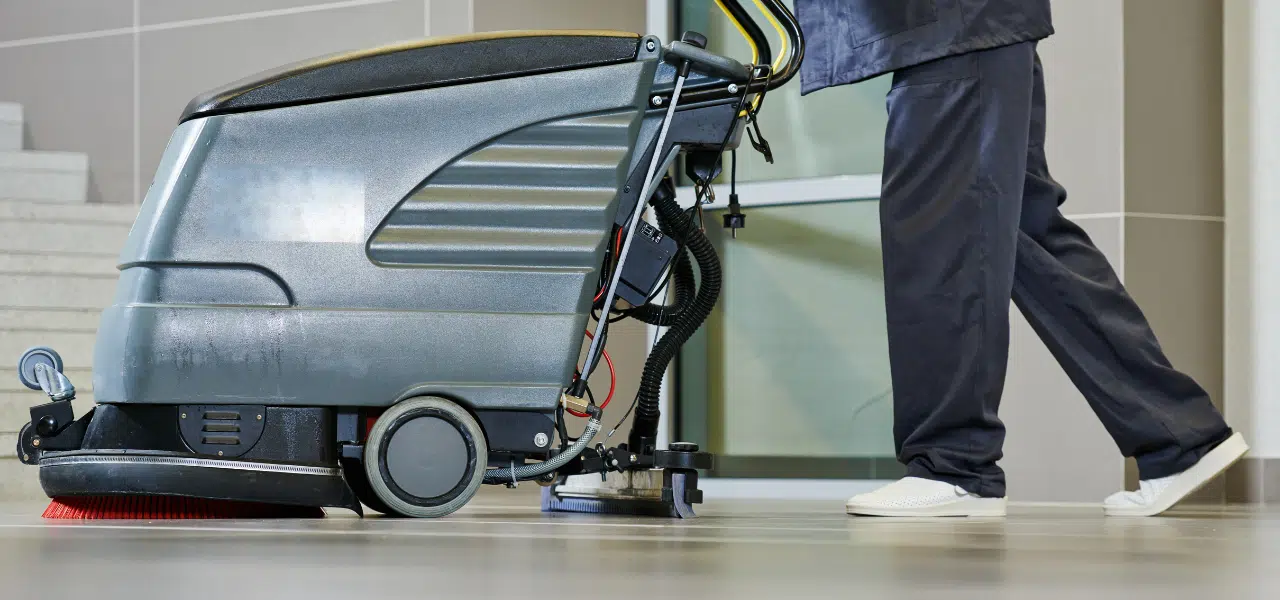
1. Industrial Cleaning: Scope and Specializations
1.1 The Unique Challenges of Industrial Environments
Industrial cleaning is a demanding discipline that deals with the maintenance and cleanliness of vast, often complex, and sometimes hazardous environments. Industrial facilities encompass manufacturing plants, warehouses, processing units, and more. What sets industrial cleaning apart are the unique challenges it faces:
- Heavy Machinery and Equipment: Industrial spaces house large machines and equipment that can accumulate dust, debris, and grease rapidly. Cleaning these requires specialized tools and expertise.
- Chemical Residues: Residues in manufacturing or processing areas can present health risks. Identify the substances and confirm the assessment, controls and contractor competence needed for the specific task; a general cleaning quotation does not establish hazardous-residue capability.
- Safety Concerns: Safety is paramount in industrial cleaning. Workers must be aware of safety protocols, including the use of personal protective equipment (PPE) and adherence to regulatory guidelines.
1.2 Equipment and Techniques in Industrial Cleaning
Industrial cleaning demands a wide array of equipment and specialized techniques to tackle its unique challenges:
- High-Pressure Washing: Industrial-grade pressure washers are used to remove stubborn dirt, grime, and residues from surfaces, including floors, walls, and equipment.
- Chemical Cleaning: Specialized chemicals are employed to dissolve and remove tough stains, oil, and chemical residues. These chemicals must be handled with care to ensure safety.
- Industrial Vacuuming: Heavy-duty vacuum cleaners are used to extract dust and particles from large spaces efficiently.
- Equipment Maintenance: Industrial cleaning often involves maintaining and cleaning machinery to keep it in optimal working condition. This helps extend the lifespan of expensive equipment.
1.3 Safety and Regulations in Industrial Cleaning
Safety is a paramount concern in industrial cleaning due to the potentially hazardous nature of the environments:
- Training and Competence: Ask for training and competency evidence relevant to the proposed work. Do not assume that a general cleaning appointment includes specialist hazardous-materials handling or every certification a site may require.
- Risk Assessment and Scope: Clarify the work method, identified hazards, controls and responsibilities with the site team before work starts. For Malaysian reference material, consult DOSH guidance on risk assessment and chemical management linked below.
- Emergency Arrangements: Confirm the site emergency procedures and who is responsible for specialist incident response. Do not assume chemical-spill response or rescue is included in routine industrial cleaning.
Malaysian reference material: DOSH risk assessment guidance and DOSH chemical management guidance. These references do not certify Urban Solutions or confirm any specialist service; the actual scope must be assessed and agreed separately.
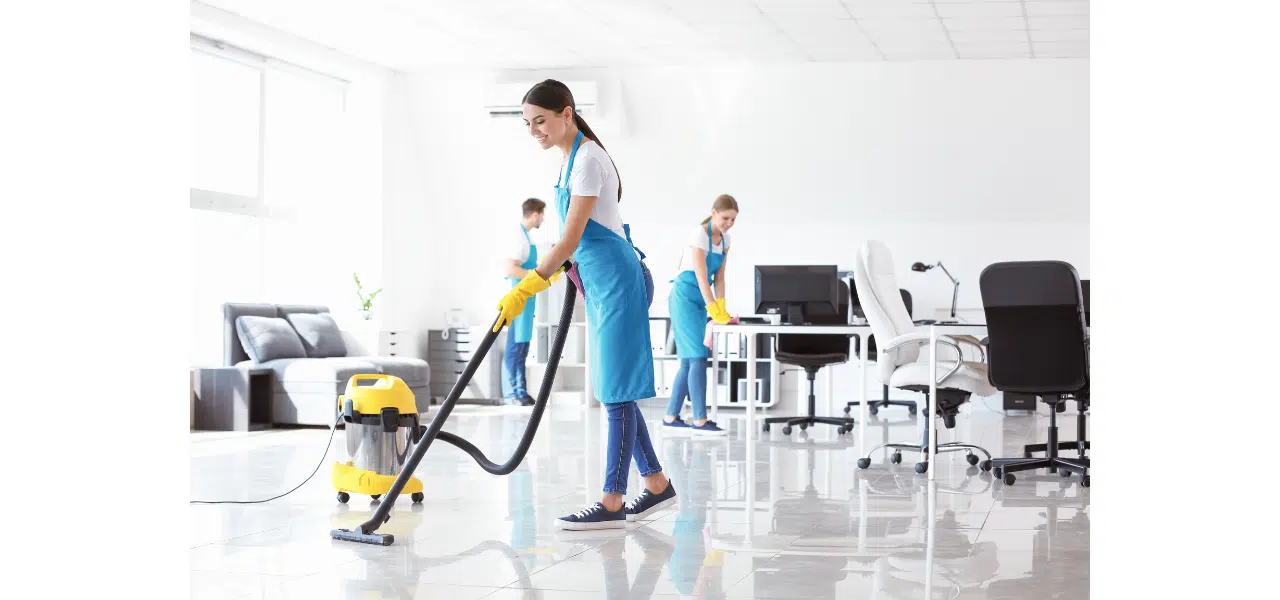
2. Commercial Cleaning: A Focus on Business Spaces
2.1 The Importance of Cleanliness in Commercial Settings
Commercial cleaning is dedicated to maintaining cleanliness and hygiene in business and office spaces. The significance of cleanliness in such environments cannot be overstated:
- First Impressions: A clean and well-maintained commercial space creates a positive first impression on customers and clients. It reflects professionalism and care.
- Workplace Upkeep: Agree which occupied areas, surfaces and presentation standards the cleaning plan should cover. Do not treat routine cleaning as a guarantee of higher productivity or reduced illness-related absence.
- Compliance and Safety: Commercial spaces, especially those in healthcare or food industries, must adhere to strict cleanliness standards to ensure the health and safety of customers and employees.
2.2 Cleaning Methods and Equipment in Commercial Cleaning
Commercial cleaning primarily employs standard cleaning methods and equipment:
- Routine Cleaning: Daily or weekly tasks include dusting, vacuuming, mopping, and sanitizing commonly touched surfaces like doorknobs and countertops.
- Cleaning Products: Commercial cleaners use readily available cleaning products suitable for office and business environments. Eco-friendly options are increasingly popular.
- Window Cleaning: Many commercial spaces require regular window cleaning to maintain a professional appearance.
2.3 Customization and Flexibility in Commercial Cleaning
One of the strengths of commercial cleaning is its adaptability:
- Customized Plans: Commercial cleaning services work closely with businesses to create tailored cleaning plans that suit specific needs, budgets, and schedules.
- Flexible Scheduling: Cleaning services can often accommodate changes in cleaning frequency, such as increased cleaning during flu season or special events.
3. Key Differences Between Industrial and Commercial Cleaning
The distinctions between industrial and commercial cleaning are summarized in the following key points:
| Industrial | Commercial | |
| Scope | Caters to large-scale industrial facilities | Focuses on business spaces. |
| Frequency | Task- and risk-based; agree routine and specialist cleaning schedules after assessment. | Based on occupancy, use and agreed hygiene needs; frequency varies by area and task. |
| Challenges | Deals with heavy machinery, chemicals, and safety hazards |
Focuses on creating a pleasant environment for customers and employees. |
| Methods | Uses specialized equipment and chemicals |
Relies on standard cleaning methods and products. |
| Safety | Confirm task-specific competence, risk controls and site responsibilities. |
Confirm suitable methods, controls and responsibilities for the occupied workspace. |
4. The Benefits of Professional Cleaning Services
Both industrial and commercial cleaning services offer numerous benefits:
- Expertise: Professional cleaners bring knowledge and experience to tackle cleaning challenges effectively.
- Time Savings: Outsourcing cleaning tasks allows businesses to focus on their core operations.
- Clean and Professional Environment: A well-maintained space enhances the image of a business and contributes to employee and customer satisfaction.
- Scope and Accountability: Agree the cleaning checklist, acceptance criteria and responsibilities. Appointing a cleaning contractor is not, by itself, proof that every site requirement has been met.
Final Verdict : Making Informed Cleaning Choices
In conclusion, the choice between industrial and commercial cleaning depends on the nature of your space and its specific cleaning needs. Industrial cleaning is essential for maintaining the cleanliness and safety of large-scale industrial facilities with unique challenges, while commercial cleaning is geared towards creating a welcoming and hygienic environment for businesses and their patrons.
Planning cleaning for your workplace? Review our industrial and commercial cleaning service scope, then request a site assessment with your location, premises type, approximate area, required tasks and preferred frequency. Specialist industrial requirements must be assessed separately; this comparison is not confirmation that every method or hazardous task described is included in a quotation.